Albany Hair Salons: Sustainable Styles & Natural Beauty
Albany, NY, is a thriving hub for innovative and natural hair trends, driven by skilled salons offering cutting-edge services. Key highlights include:.......
Read more →
Welcome to an extensive exploration of the vibrant world of hair salons, specifically focusing on the unique landscape of Albany. This article aims to delve into the various facets of hair salon culture in Albany, offering insights for both industry professionals and curious enthusiasts. We will navigate through its historical roots, global impact, economic significance, technological integrations, regulatory frameworks, challenges, and future prospects. By the end of this journey, readers will gain a comprehensive understanding of this dynamic industry and its crucial role in personal grooming and self-expression.
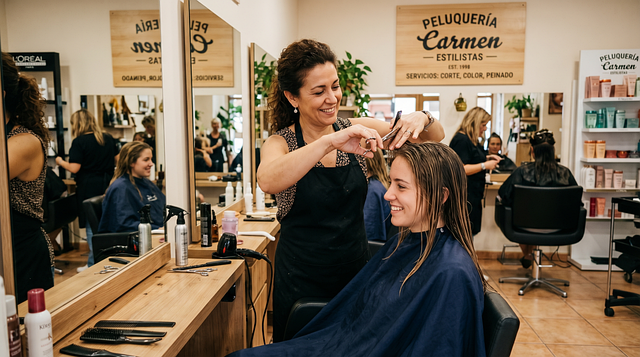
Definition: A hair salon, often referred to as a hairstyling salon or beauty salon, is a commercial establishment dedicated to providing various hair care services, including cutting, styling, coloring, and treatment. In the context of Albany, these salons offer a diverse range of services tailored to meet the aesthetic needs of their clients.
Core Components:
Historical Context: The concept of hair salons has evolved over centuries, reflecting societal changes in beauty standards and personal grooming practices. In Albany, as in many cities, the early salons were small, private establishments frequented by the elite. Over time, as society became more accessible, salons expanded, adopting modern techniques and technologies to cater to a diverse clientele. Today, Albany's hair salon scene is characterized by a blend of traditional charm and contemporary trends, offering something for every taste and budget.
International Influence: Hair salon culture in Albany, like many other cities worldwide, is significantly influenced by global trends and practices. International hair care brands and stylists often collaborate, sharing techniques and styles that cross borders. For instance, the popularity of Korean hair straightening and Japanese hair cutting techniques has made its mark on Albany's salons, providing clients with diverse styling options.
Key Global Trends:
Regional Variations: While global trends set the stage, regional preferences play a crucial role in shaping Albany's hair salon culture:
| Region | Popular Trends/Styles | Client Base |
|---|---|---|
| Downtown Albany | Urban chic, cutting-edge styles | Young professionals, students |
| Suburban Areas | Classic cuts, family-friendly services | Families, working adults |
| Rural Communities | Natural, low-maintenance looks | Locals, farmers |
Market Dynamics: The hair salon industry in Albany is a significant contributor to the local economy, supporting employment, business growth, and consumer spending. According to recent studies:
Investment Patterns: Investors recognize the potential of Albany's hair salon market, leading to increased investment in:
Economic Impact: Hair salons contribute to the local economy in several ways:
Digital Transformation: Technology has revolutionized hair salons, enhancing operations, marketing, and client interactions. Key technological advancements include:
Emerging Technologies: The future of hair salons in Albany is poised for further technological integration:
Benefits and Challenges: Technological advancements offer numerous advantages, such as improved efficiency, enhanced customer engagement, and data-driven decision-making. However, challenges include initial implementation costs, the need for staff training, and ensuring data security and privacy.
Key Policies and Regulations: The hair salon industry in Albany operates within a framework of state and local laws designed to protect consumers and ensure business integrity:
Legislative Frameworks:
| Regulation | Description | Impact on Salons |
|---|---|---|
| Consumer Protection Laws | Ensures fair business practices, transparent pricing, and client rights. | Salons must be transparent in service descriptions and pricing, protecting clients from misleading advertising. |
| Labor Laws | Regulates minimum wage, overtime pay, and workplace safety for employees. | Salons must comply with labor regulations, including accurate payroll records and safe work environments. |
| Environmental Regulations | Governs waste management and recycling practices to minimize environmental impact. | Salons may need to adopt eco-friendly packaging and dispose of chemicals responsibly. |
Compliance and Challenges: Salons face the challenge of staying updated on changing policies, ensuring compliance without compromising service quality or increasing operational costs. Professional organizations and industry associations play a vital role in guiding salons through these regulations.
Common Issues: Despite its thriving culture, the hair salon industry faces several challenges and criticisms:
Strategic Solutions:
| Challenge | Solutions |
|---|---|
| High Competition | Develop niche services, unique styling concepts, or target specific demographics to differentiate the salon. |
| Employee Turnover | Invest in staff training and development programs, offering career advancement opportunities to retain top talent. |
| Product Safety | Implement rigorous product testing, educate stylists on ingredient knowledge, and provide patch tests for clients with sensitive skin. |
| Sustainability | Adopt eco-friendly packaging, use natural products where possible, and implement recycling programs. |
Case Study 1: The Boutique Experience Salon Name: Luxe Hair Studio
Overview: Luxe Hair Studio is a boutique salon in downtown Albany, renowned for its personalized services and cutting-edge styles. With a focus on customer satisfaction and unique offerings, the salon has cultivated a loyal client base.
Key Strategies:
Lessons Learned:
Case Study 2: Wellness Integration Salon Name: Sereniti Salon & Spa
Overview: Sereniti Salon & Spa is a full-service salon and spa located in a suburban area of Albany, known for its holistic approach to beauty and wellness. The salon offers a tranquil escape from daily life, attracting clients seeking relaxation and rejuvenation.
Wellness Initiatives:
Impact and Benefits:
Growth Areas: The hair salon industry in Albany is poised for growth in several areas:
Emerging Trends:
| Trend | Description | Potential Impact |
|---|---|---|
| Digital Twin Services | Using digital technology to create virtual salon experiences, allowing clients to try styles virtually before committing. | Enhances client engagement, reduces no-show rates, and offers personalized styling advice. |
| Virtual Reality Hair Cutting | VR technology assists stylists in precise cutting and styling, providing immersive training for new hires. | Improves efficiency, reduces learning curves, and enhances overall service quality. |
| Personalized Wellness Programs | Salons offer tailored wellness plans combining beauty treatments with health-focused activities. | Appeals to health-conscious clients, fosters long-term client relationships, and diversifies revenue streams. |
Strategic Considerations: To capitalize on these trends and maintain a competitive edge:
In the vibrant city of Albany, hair salons are more than just establishments offering hair care services; they are cultural hubs that reflect and shape personal aesthetics, self-expression, and community engagement. From historical roots to global influences, this article has explored the multifaceted nature of hair salon Albany. It has delved into economic considerations, technological advancements, regulatory frameworks, and challenges, revealing a dynamic industry with immense potential.
As Albany continues to evolve, its hair salon culture will undoubtedly adapt, embracing new trends while preserving its unique character. By focusing on sustainability, personalization, and technological integration, these salons can provide exceptional experiences that cater to diverse client needs. The future of hair salon Albany looks bright, offering opportunities for innovation, creativity, and continued community enrichment.
Q: How do I choose the right hair salon in Albany? A: Consider your specific hair needs, budget, and desired ambiance. Read online reviews, ask for recommendations, and schedule a consultation to ensure the salon aligns with your expectations.
Q: Are there any benefits to booking online for a hair appointment? A: Absolutely! Online booking systems offer convenience, allowing you to reserve appointments at your convenience. They often include features like customer reviews, service descriptions, and real-time availability, making it easier to choose the right stylist.
Q: How can I ensure my salon uses safe and effective hair products? A: Reputable salons adhere to health and safety standards. Ask about product ingredients, brand reputation, and any certifications or testing the salon conducts. Trust your intuition and choose a salon that prioritizes client safety and satisfaction.
Q: What are some ways I can contribute to my local hair salon community? A: Consider becoming a loyal customer, participating in salon events or charity initiatives, and spreading positive word-of-mouth. You can also recommend your favorite salons to friends and family, supporting the industry's growth through grassroots promotion.